Ubud Palace
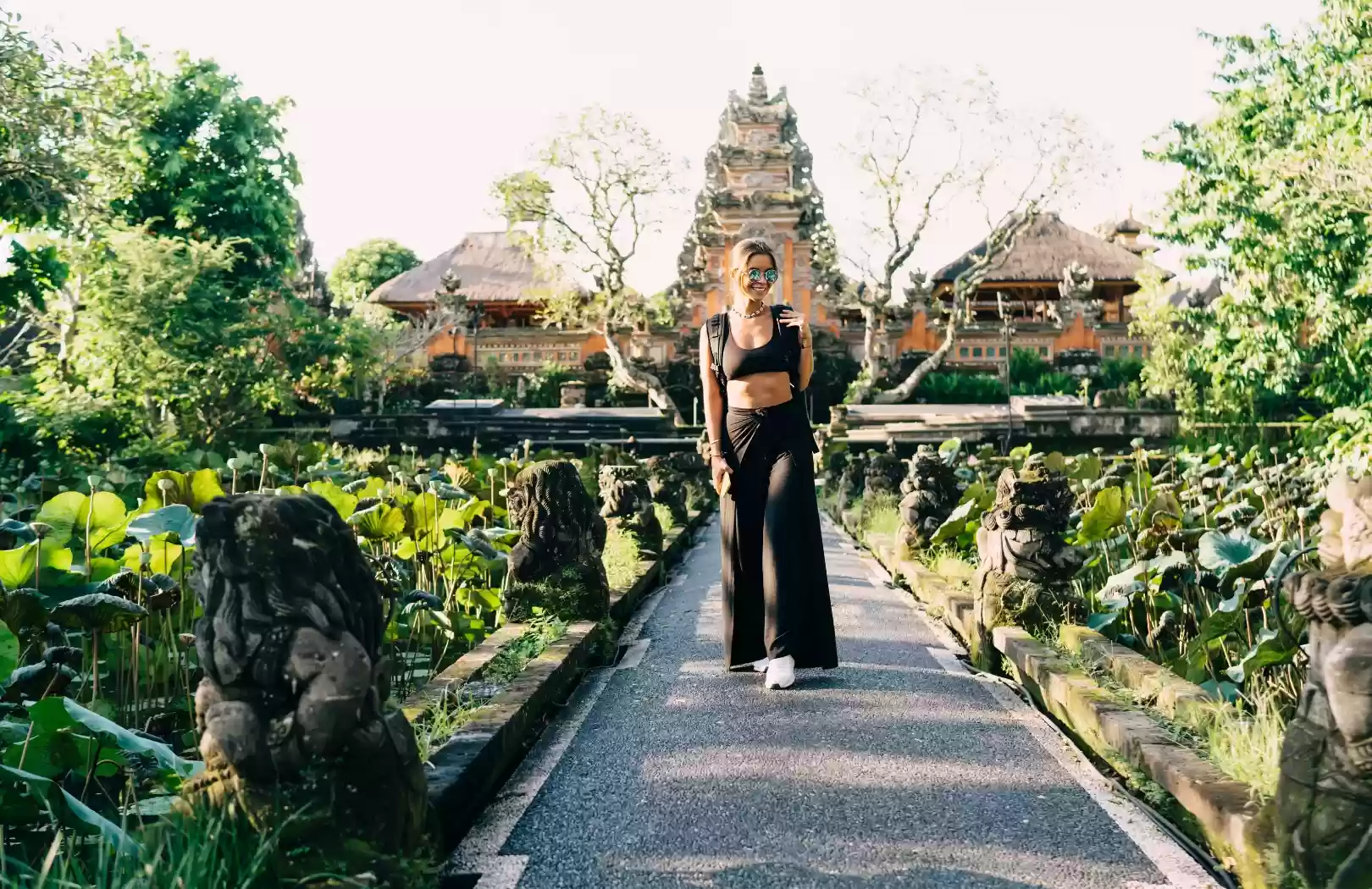
Ubud Palace stands at the cultural center of Ubud and remains one of the most important historical landmarks in the town. Known locally as Puri Saren Agung, the palace is not only a symbol of royal heritage but also a living cultural space where traditions continue to thrive.
For travelers staying in Ubud, Ubud Palace offers an easy and meaningful introduction to Balinese history, architecture, and performing arts. Its central location makes it an ideal starting point for understanding the character of Ubud.
Introduction to Ubud Palace
Ubud Palace is located in the heart of Ubud, directly across from Ubud Art Market. The palace has long served as the residence of Ubud’s royal family and remains closely connected to the town’s cultural identity.
Unlike museums or preserved ruins, Ubud Palace is part of daily life. Members of the royal family still reside here, and the palace grounds continue to host ceremonies and cultural performances. This living presence gives the site a unique atmosphere that feels authentic and respectful.
Visitors often notice the calm and order of the palace, even though it sits in a busy area. This balance reflects traditional Balinese values of harmony and structure.
Historical Background of Ubud Palace
Ubud Palace was established in the early nineteenth century and played a central role in the development of Ubud as a cultural center. The royal family supported artists, dancers, and craftsmen, helping Ubud grow into a hub for creative expression.
During the early twentieth century, Ubud gained international recognition through cultural exchange and artistic collaboration. The palace became a place where traditional Balinese culture was preserved while welcoming outside influence.
This history explains why Ubud is known today for art and culture rather than commercial development. The palace’s influence continues to shape the town’s identity.
Traditional Balinese Architecture
The architecture of Ubud Palace reflects classical Balinese design principles. Every structure within the palace complex is built with symbolic meaning and careful attention to detail.
Key architectural features include
- Ornate stone carvings with floral and mythological motifs
- Traditional gates that mark transitions between spaces
- Open pavilions used for ceremonies and gatherings
- Courtyard layouts designed for balance and flow
These elements are not decorative alone. They represent spiritual beliefs and social order, making the palace a place of meaning as well as beauty.
Cultural Performances at Ubud Palace
One of the highlights of visiting Ubud Palace is the opportunity to experience traditional Balinese dance performances held in the evening. These performances are open to the public and take place in the palace courtyard.
Common performances include
- Legong dance
- Barong dance
- Traditional Balinese orchestra music
- Classical storytelling through movement
The setting of the palace enhances the experience. Watching a dance performance surrounded by traditional architecture and warm lighting creates a memorable cultural moment.
Visiting Ubud Palace During the Day
During the daytime, visitors are welcome to explore the outer areas of the palace. Walking through the courtyards allows guests to admire architecture, carvings, and garden spaces.
Daytime visits offer
- A quieter atmosphere
- Opportunities for photography
- Insight into palace layout and design
- A chance to observe daily activities and preparations
Visitors are encouraged to move respectfully and follow posted guidelines, as parts of the palace remain private.
Best Time to Visit Ubud Palace
Ubud Palace can be visited at different times depending on the experience desired.
Morning
- Cooler temperatures
- Fewer visitors
- Calm environment for exploration
Evening
- Cultural dance performances
- Atmospheric lighting
- Lively cultural ambiance
Many travelers choose to visit during the day for exploration and return in the evening for a performance.
Cultural Significance for the Local Community
Ubud Palace is more than a historical site. It represents continuity between past and present. The royal family remains involved in cultural preservation and community activities.
The palace symbolizes
- Leadership rooted in tradition
- Support for arts and culture
- Respect for spiritual values
- Balance between heritage and modern life
This ongoing role gives the palace a sense of relevance rather than nostalgia.
Distance and Access from Accommodation in Ubud
Ubud Palace is centrally located and easily reached from most accommodations in Ubud.
Access includes
- Walking distance from central Ubud areas
- Easy combination with nearby attractions
- Convenient stops during town exploration
Its location makes it ideal for travelers who prefer minimal travel time.
Combining Ubud Palace with Nearby Attractions
Ubud Palace is often visited together with nearby sites for a complete cultural experience.
Common combinations include
- Ubud Art Market
- Local cafés and restaurants
- Short walks through central Ubud streets
- Evening cultural performances
This flexibility allows visitors to enjoy culture at a relaxed pace.
Returning to a Peaceful Stay in Ubud
After visiting Ubud Palace, returning to a calm accommodation creates balance. The cultural richness of the palace experience pairs well with a quiet and comfortable stay.
A peaceful cottage stay allows guests to
- Reflect on cultural impressions
- Rest after walking and exploration
- Enjoy privacy and natural surroundings
This contrast enhances the overall travel experience.
Tips for Visiting Ubud Palace
- Dress modestly when visiting palace grounds
- Visit in the morning for a quieter experience
- Return in the evening for traditional performances
- Respect restricted areas and signage
- Take time to appreciate architectural details
Why Ubud Palace Is Worth Visiting
Ubud Palace offers insight into the cultural foundation of Ubud. Its architecture, history, and ongoing traditions make it an essential stop for visitors who want to understand the town beyond its surface.
For travelers staying in Ubud, the palace provides easy access to authentic culture without long travel. It represents the heart of Ubud’s artistic and royal heritage.
Exploring Ubud Palace while enjoying a comfortable stay in Ubud creates a travel experience that feels rich, balanced, and deeply connected to Bali’s living traditions.