Goa Gajah Elephant Cave
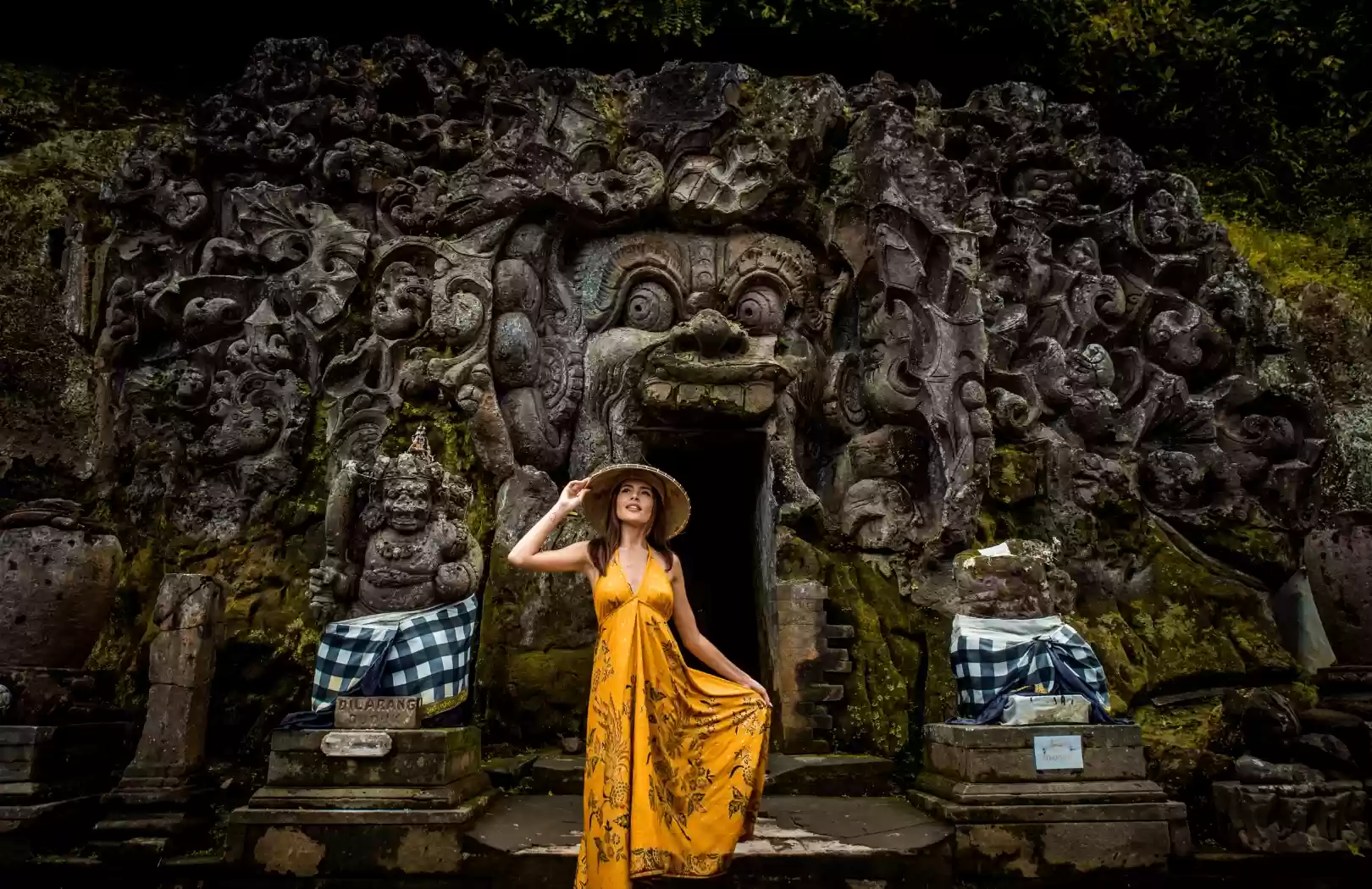
Goa Gajah is one of Bali’s most intriguing archaeological and spiritual sites. Located in Bedulu village, Gianyar, this ancient sanctuary dates back to the ninth century and offers visitors a unique blend of history, spirituality, and natural beauty. For travelers staying in Ubud, Goa Gajah provides a meaningful cultural experience that is easy to reach yet rich in atmosphere.
A visit to Goa Gajah is not about grand scale. It is about detail, symbolism, and the quiet presence of history. The site invites visitors to slow down and observe, making it a perfect complement to a peaceful stay in Ubud.
Historical Background of Goa Gajah
Goa Gajah was built around the ninth century and is believed to have served as a place for meditation and spiritual retreat. The site reflects a blend of Hindu and Buddhist influences, which was common in Bali during this period.
The name Elephant Cave does not refer to elephants living here. Instead, it is thought to be connected to the Hindu god Ganesha, who is associated with wisdom and is often depicted with an elephant head. Inside the cave, a statue of Ganesha can be found, reinforcing this interpretation.
Archaeological discoveries around Goa Gajah include ancient inscriptions, stone carvings, and relics that reveal its importance as a spiritual center. These findings help visitors understand the role the site played in Bali’s early religious history.
The Iconic Cave Entrance
The most striking feature of Goa Gajah is the cave entrance itself. Carved into a rock face, the entrance is designed as a fierce face with an open mouth, which serves as the doorway into the cave.
The carvings surrounding the entrance are detailed and symbolic. They are believed to represent protection, warding off negative energy and preparing visitors for a spiritual journey inside.
Stepping through the entrance feels like crossing into another world. The transition from daylight into the cave’s interior creates a sense of mystery and reflection.
Inside the Elephant Cave
The interior of Goa Gajah is narrow and dimly lit, designed for quiet meditation rather than movement. The cave’s layout encourages stillness and contemplation.
Inside the cave, visitors can find
- A statue of Ganesha
- Stone niches used for meditation
- Traces of ancient incense and offerings
The atmosphere inside is calm and subdued. Even during busy periods, the cave maintains a sense of silence that encourages respectful behavior.
The Sacred Bathing Pools
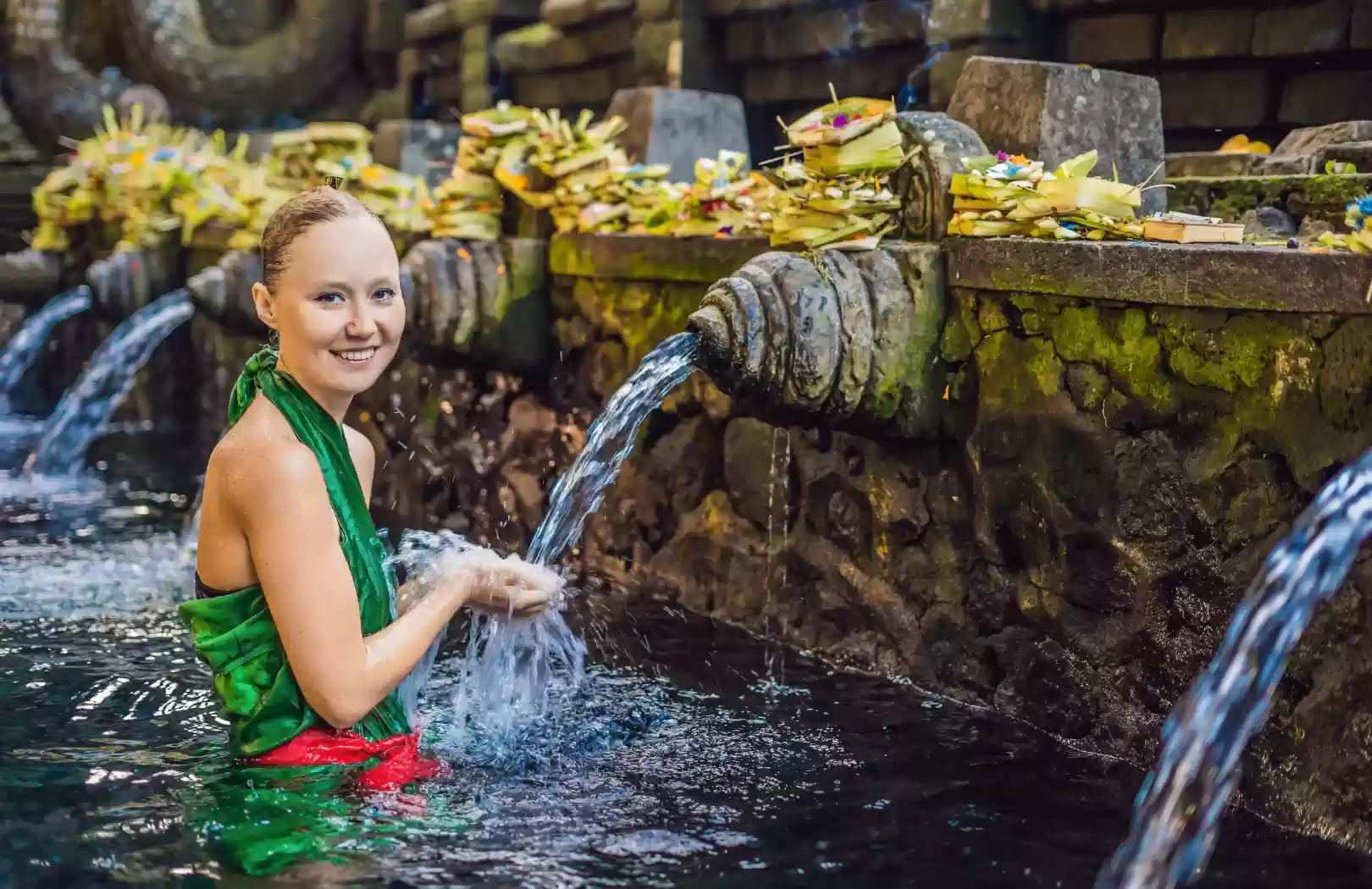
Just outside the cave area lies one of Goa Gajah’s most elegant features, the sacred bathing pools. These pools were uncovered during excavations in the twentieth century and are believed to have been used for ritual cleansing.
The pools are fed by stone spouts held by carved female figures. Water flows continuously into the pools, symbolizing purification and renewal.
Visitors often pause here to admire the craftsmanship and symmetry of the pools. The area feels open and peaceful, surrounded by greenery and stone structures.
Natural Surroundings and Landscape
Goa Gajah is set within a lush valley, surrounded by trees, gardens, and flowing streams. Stone steps lead visitors down into the complex, gradually revealing different areas of the site.
The natural environment enhances the spiritual atmosphere. Birds, flowing water, and shaded paths create a sense of calm that contrasts with busier tourist spots.
Walking through the grounds allows visitors to appreciate how ancient builders integrated architecture with nature. This harmony remains one of Goa Gajah’s most appealing qualities.
Spiritual and Cultural Importance
For the Balinese community, Goa Gajah remains a sacred place. Ceremonies and offerings are still performed here, particularly on important religious days.
The site represents
- Spiritual retreat and meditation
- Harmony between Hindu and Buddhist traditions
- Respect for nature and sacred spaces
Visitors are encouraged to approach the site with mindfulness and respect, recognizing its ongoing spiritual role.
Best Time to Visit Goa Gajah
Goa Gajah can be visited throughout the year, but timing influences the experience.
Early morning
- Cooler temperatures
- Fewer visitors
- Quieter atmosphere for reflection
Late morning to afternoon
- More visitors
- Brighter light for photography
- Livelier surroundings
Guests staying in Ubud often choose to visit in the morning and return to rest during the afternoon.
What Visitors Should Expect
Visitors should be prepared for walking and steps within the site.
What to expect during the visit
- Stone stairways leading into the complex
- Shaded walking paths
- Sacred areas requiring respectful behavior
- Sarong use for temple areas
Wearing comfortable footwear and modest clothing is recommended.
Distance and Access from Ubud
Goa Gajah is located approximately fifteen to twenty minutes from central Ubud, making it one of the most convenient cultural attractions in the area.
The journey from Ubud includes
- Village roads
- Rice field scenery
- Traditional residential areas
Its short distance makes Goa Gajah ideal for a half day cultural visit.
Combining Goa Gajah with Other Attractions
Many travelers combine Goa Gajah with nearby destinations for a balanced itinerary.
Common combinations include
- Visiting nearby temples in Gianyar
- Exploring local villages
- Returning to Ubud for lunch or relaxation
This flexibility allows visitors to enjoy culture without feeling rushed.
Returning to a Peaceful Stay in Ubud
After exploring Goa Gajah, returning to a calm accommodation in Ubud enhances the experience. The site’s spiritual energy often leaves visitors feeling reflective, making a peaceful environment ideal afterward.
A comfortable cottage stay allows guests to
- Rest after cultural exploration
- Reflect on historical and spiritual impressions
- Enjoy quiet surroundings and privacy
This balance between discovery and relaxation defines meaningful travel in Ubud.
Tips for a Respectful Visit
- Wear modest clothing and use a sarong when required
- Speak quietly within sacred areas
- Do not climb or touch ancient carvings
- Follow local guidelines and signage
- Allow time to explore slowly and mindfully
Why Goa Gajah Is Worth Visiting
Goa Gajah offers a rare opportunity to experience Bali’s ancient spiritual heritage in an intimate setting. Its combination of history, symbolism, and natural beauty makes it one of the most enriching sites near Ubud.
For travelers staying in Ubud, Goa Gajah adds depth to the journey. It provides insight into Bali’s early religious life while remaining accessible and peaceful.
Exploring Goa Gajah Elephant Cave while enjoying a comfortable stay in Ubud creates a travel experience that is calm, reflective, and culturally rich. It is a reminder that some of the most meaningful places are those that invite visitors to slow down and truly observe.